



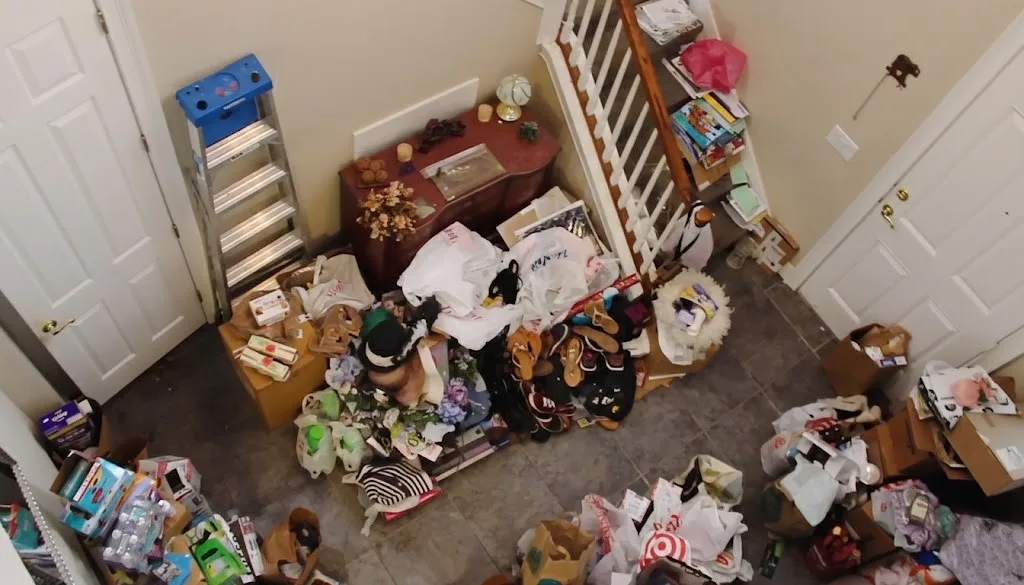
Cleaning a hoarded home isn’t something you figure out as you go. Hoarders experts who do this work professionally follow specific methods developed through years of experience. They’ve seen what works, what backfires, and what causes lasting harm to the people they’re trying to help.
The difference between a successful cleanup and a traumatic one often comes down to approach. Here’s what the professionals want you to understand.
Why Hoarded Homes Need A Different Approach?
Hoarding disorder sits in a category all its own. Someone with a cluttered garage or messy closet can decide to clean up and actually do it. A person struggling with hoarding faces psychological barriers that make discarding items genuinely distressing. The accumulation happened over years, sometimes decades, driven by anxiety, trauma, depression, or other underlying conditions.
Treating a hoarded home like an ordinary mess can lead to serious problems.
The physical risks alone demand specialized attention:
- Stacked items create fire hazards and block escape routes
- Shifting piles causes falls and injuries
- Mold colonies grow in hidden spaces
- Rodent and pest infestations spread disease
- Rotting food and medical waste pose biohazard threats
Rushing without proper assessment increases risk to everyone involved.
Then there’s the emotional damage. Aggressive cleanouts where strangers throw away someone’s belongings while they watch, or worse, while they’re not home, cause real psychological harm. People who experience forced cleanouts often refuse future help entirely. Some develop worsened hoarding behaviors as a trauma response. The “quick fix” becomes a long-term setback.
The Compassion First Mindset
Hoarders experts approach every situation with one foundational belief: hoarding is a mental health condition, not a moral failing. The person living in that home isn’t lazy or stubborn. They’re dealing with a recognized disorder that affects how their brain processes decisions about possessions. This mindset fundamentally shapes how the cleanup is carried out.
Before touching any items, professionals focus on building trust. They listen without judgment, ask about the person’s history and concerns, and discuss their vision for the home. They also acknowledge that setbacks may occur.
Shared goals get established early. What does success look like for this specific person? Maybe it’s having a functional kitchen again. Maybe it’s being able to have grandchildren visit safely. These personal motivations matter far more than abstract ideas about cleanliness.
Safety Fundamentals Professionals Never Skip
Experienced cleanup teams conduct thorough assessments before work begins. They check for:
- Structural integrity issues from years of weight on floors and stairs
- Blocked windows and doors that would trap occupants during emergencies
- Signs of pest activity and infestations
- Water damage and mold growth
- Toxic or hazardous materials
Using personal protective equipment is essential:
- Respirators guard against mold spores and dust
- Heavy gloves prevent cuts from hidden sharp objects
- Eye protection stops debris from causing injuries
- Full Tyvek suits for severe cases
Work zones get established with clear boundaries. Entry and exit paths stay open at all times. Items move in one direction, from inside to designated sorting areas, never back and forth. These protocols prevent accidents and keep the project organized.
How Experts Plan A Safe & Respectful Cleanup?
A successful hoarding cleanup starts long before anyone picks up a trash bag. Professionals invest time in planning because rushing into the work without a clear roadmap almost always backfires.
- Collaborative Planning from Day One
Planning happens collaboratively. The resident, family members when appropriate, and the cleanup team sit down together before any physical work starts. Everyone agrees on which areas need attention first and what pace feels manageable.
- Choosing the Right Starting Point
Where to start matters. Professionals usually begin with areas that improve the quality of life quickly without causing emotional distress. A bathroom or entryway might come before a bedroom full of inherited items.
- Adjusting Pace to Prevent Overwhelm
Pace adjustments happen constantly. If the resident becomes overwhelmed, work slows down or pauses. Pushing through resistance creates resentment and sabotages long-term success. Hoarders experts know that a cleanup taking three months but sticking is far better than a three-day blitz that falls apart within weeks.
Compassionate Sorting and Decision Making
The sorting process looks different when compassion leads. Instead of demanding immediate yes or no answers, professionals use gentler categories:
- Keep
- Donate
- Recycle
- Dispose
- Decide later
The “Decide later” category has limits. It isn’t a loophole to avoid decisions, but temporarily setting items aside can reduce anxiety and help maintain progress.
Valuables and sentimental items receive special attention:
- Photos get preserved and organized
- Important documents get sorted rather than accidentally discarded
- Family heirlooms get discussed rather than tossed
Protecting what genuinely matters builds trust and shows respect for the person’s history.
Cleaning, Restoring, and Moving Forward
Once sorting finishes, responsible disposal takes priority:
- Donations go to appropriate organizations
- Recyclables get processed correctly
- Trash removal happens through proper channels
- All items are disposed of safely and legally
Deep cleaning transforms the space. Walls get scrubbed, carpets get treated or replaced, and surfaces get sanitized. Repairs address damage that accumulated over time. The goal isn’t just empty rooms but genuinely livable ones.
Functionality guides how spaces get set back up:
- Furniture arrangements support daily activities
- Storage solutions keep items accessible but contained
- Clear surfaces and open floor space become the new normal
Ongoing support prevents the cycle from repeating. Regular check-ins, continued therapy, and simple maintenance habits all play roles. The cleanup itself is just one piece of a longer recovery process.
Conclusion
Hoarded homes require expertise that goes beyond knowing how to clean. They demand understanding of mental health, commitment to safety protocols, and genuine compassion for people in difficult circumstances. When these elements come together, transformation becomes possible without causing additional harm.
Professionals like LifeCycle Transitions bring over years of experience to hoarding cleanup and life transition services. Their team of transition specialists approaches every situation with the care, respect, and professionalism that hoarder experts know makes the difference.
As seen on Fox News, NBC, and A&E, LifeCycle Transitions has supported more than 1,000 families nationwide through their most challenging moments. Services include hoarding cleanup assistance, downsizing support, relocation help, and property rehabilitation. Get help today!