

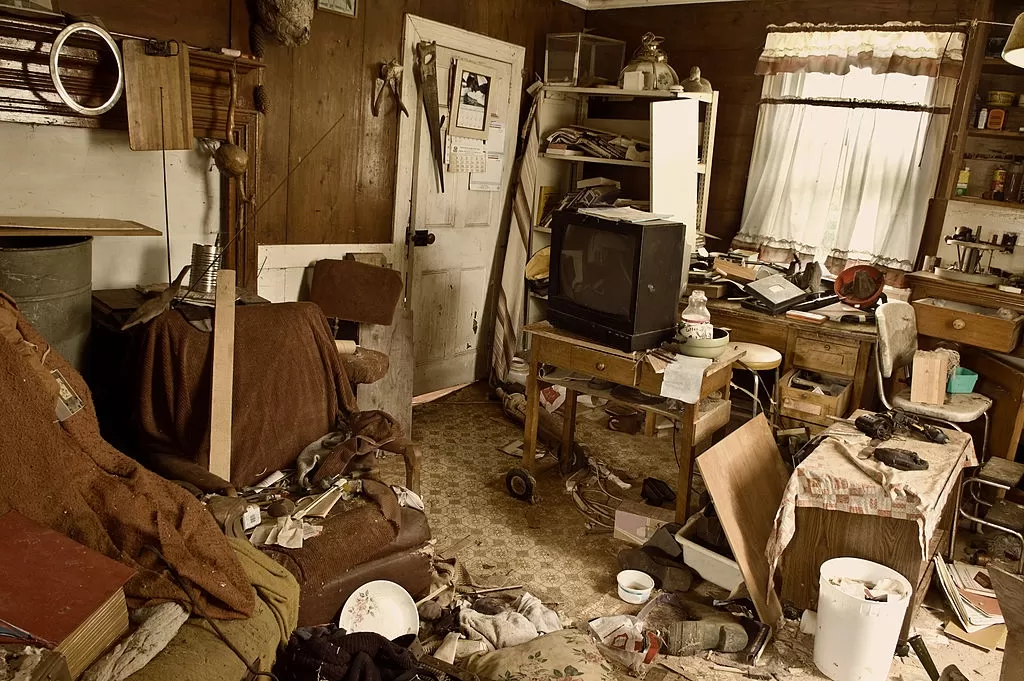

Opening — A Plain Explanation
Cleaning a messy room and cleaning a hoarded home are two very different things. This guide explains what sets hoarding cleanup apart so you can choose the right help.
What Standard Cleaning Does
- Remove trash and recyclables
- Dust, vacuum, and wipe surfaces
- Organize items out of place
- Make the home look fresher quickly
What Hoarding Cleanup Involves
- Safety assessments for mold, pests, and structural risks
- Collaborative sorting with the homeowner
- Handling hazardous materials, medications, and electronics
- Documenting valuables and sentimental items
- Deep cleaning, deodorizing, and minor repairs
Safety: PPE, Hazards, and Specialists
Why protective equipment, mold remediation, pest control, and structural expertise are often necessary in hoarding cleanup.
Emotion and Consent: Why It Matters
How compassion, consent, and “hold” boxes prevent conflict and preserve dignity.
Disposal and Legal Rules
Why hazardous materials, electronics, and medications require special handling and local compliance.
Time and Cost: Phased Approach vs. Single Visit
Why hoarding cleanup often requires multiple visits and phased planning for lasting results.
Documentation and Transparency
How photographs, inventories, and donation receipts build trust with families and property managers.
When to Call a Professional
Call for hoarding cleanup if you notice:
- Mold or water damage
- Rodent or pest infestations
- Biohazards or unsafe soiling
- Structural risks
- Strong emotional resistance
How Families Can Help the Most
- Avoid surprise cleanouts
- Start with small, safe areas
- Offer choices instead of demands
- Arrange private consultations with professionals
A Quick Checklist to Decide the Right Route
- Scan for hazards
- Assess willingness to participate
- Choose area size (room vs. whole home)
- Identify disposal needs (meds, chemicals, electronics)
- Pick a team that documents and offers follow-up
Closing — A Practical Suggestion
If safety risks or strong emotions are present, a professional hoarding cleanup assistance service provides the tools, sensitivity, and follow-up that create lasting improvement.
FAQs
1. What’s the main difference between hoarding cleanup and standard cleaning?
Standard cleaning handles surface tasks, while hoarding cleanup addresses safety risks, emotional needs, and long-term planning.
2. Why does hoarding cleanup take longer than normal cleaning?
Hoarding cleanup often requires phased visits to ensure safety, respect consent, and avoid rushed decisions that may undo progress.
3. How do professionals handle hazardous or unsafe items?
They use protective gear, follow legal disposal rules, and call in specialists for mold, pests, or structural issues when needed.
4. Can families help during hoarding cleanup?
Yes, but not with surprise clean-outs. Families can support by starting small, respecting decisions, and arranging professional consultations.
5. When should I call a professional hoarding cleanup service?
If there are hazards like mold, pests, biohazards, or strong emotional resistance to cleanup, professional assistance is the safest option.