




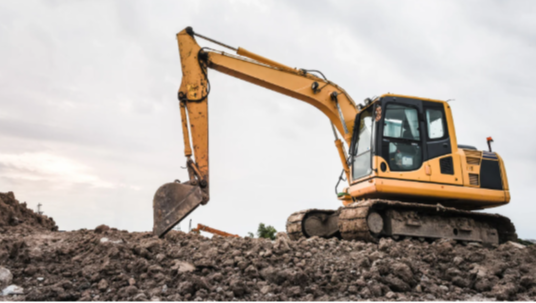
Footer excavation is one of the most important early steps in construction because it directly affects the strength and longevity of a structure. Without a properly excavated footer, even the best building materials cannot prevent future structural problems. Working with an experienced excavation company in Cleveland ensures that soil conditions, depth requirements, and load support are properly addressed from the start. This process sets the groundwork for safe and reliable construction across residential and commercial projects.
Footer excavation refers to the careful removal of soil to create space for footers that support foundations. These footers distribute the weight of a structure evenly into the ground, helping prevent settlement and shifting over time. Because soil composition varies from site to site, professional planning and execution are essential for long-term stability.
Understanding Footer Excavation
Footer excavation is the process of digging trenches or pits where concrete footers will be placed beneath foundation walls or columns. These footers serve as the base that carries the structural load into the ground. The excavation depth and width are determined by soil conditions, building size, and local requirements.
Before excavation begins, the site is evaluated to identify soil strength, moisture content, and potential drainage concerns. This assessment ensures that the excavation supports the intended structure and prevents uneven settling. Poorly excavated footers can lead to cracked foundations and compromised safety. A professional excavation team follows precise measurements and standards to ensure footers are positioned correctly. This accuracy allows the concrete to cure evenly and bond properly with the surrounding soil, creating a stable base for construction.
Why Footer Excavation Is Essential for Structural Stability
Structural stability depends heavily on how well the foundation interacts with the ground beneath it. Footer excavation plays a critical role in distributing weight evenly, reducing stress on the foundation walls. When weight is properly transferred, the risk of movement and long-term damage decreases significantly.
Uneven or shallow footers can cause differential settlement, which occurs when parts of a structure sink at different rates. This often results in visible cracks, uneven floors, and compromised structural integrity. Proper footer excavation minimizes these risks by ensuring consistent support across the entire foundation.
Additionally, footer excavation helps address environmental factors such as frost movement and soil expansion. By placing footers below frost depth and within stable soil layers, structures remain protected against seasonal changes that can weaken foundations over time.
How Professionals Approach Footer Excavation
A skilled excavation team begins by preparing the site and marking precise excavation lines. Heavy equipment is used carefully to avoid disturbing the surrounding soil that contributes to overall stability. Attention to detail during this stage ensures that the excavation meets exact specifications.
After excavation, inspections confirm depth and alignment before concrete is poured. This verification process is essential because adjustments are much easier before the footer is installed. Professional oversight ensures compliance with structural requirements and minimizes future complications. Proper drainage planning is also integrated into footer excavation. Managing water around the foundation reduces pressure on footers and helps maintain long-term stability. This level of planning highlights why professional services are necessary for reliable results.
Long-Term Benefits of Proper Footer Excavation
Investing in proper footer excavation provides long-term benefits that extend throughout the life of a structure. A well-supported foundation reduces maintenance needs and protects against costly repairs. It also enhances overall building performance by maintaining alignment and load distribution.
Structures built on solid footers are better equipped to withstand environmental stress and soil movement. This durability contributes to safety, property value, and peace of mind for owners. Reliable excavation practices support sustainable construction outcomes across various building types.
Conclusion
Footer excavation is a foundational step that directly impacts structural stability and long-term performance. By ensuring proper depth, alignment, and soil support, this process protects buildings from settlement and structural failure. Professional excavation services provide the expertise needed to create a strong base that supports safe and lasting construction.