

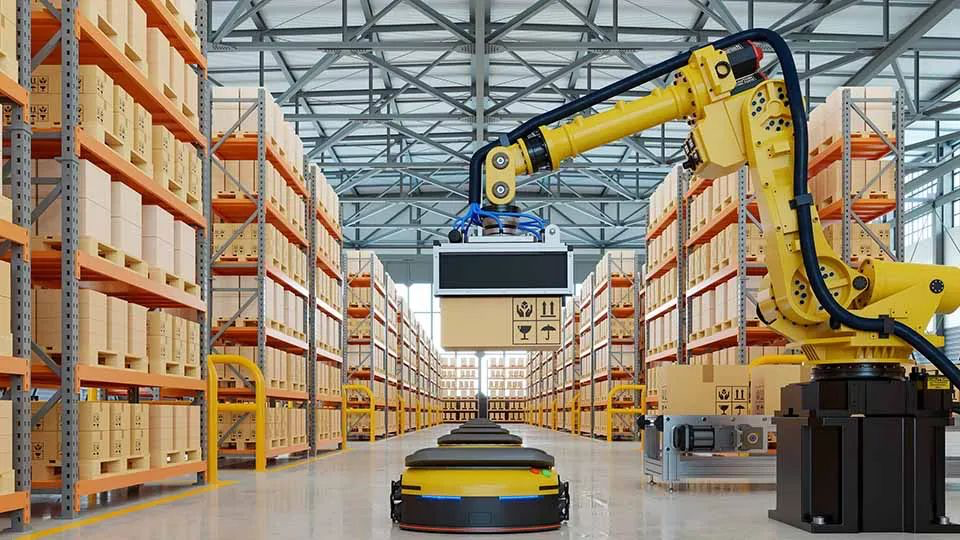

High volume manufacturing is evolving fast. Efficiency, precision, and speed are now more critical than ever. Factories are turning to smart automation to keep up with growing demand. Integrating advanced machinery and intelligent processes allows businesses to cut downtime and boost output. From automated material handling to precise stamping operations, every step counts. Strategic planning and the right technology can transform a production line into a seamless, high-performing system.
Integrating Automatic CNC Pallet Loading System
An automatic cnc pallet loading system is a robotic setup that loads and unloads pallets from CNC machines without human intervention. This system reduces labor costs and minimizes errors caused by manual handling. In high volume manufacturing, the continuous flow of materials ensures machines operate at full capacity. Implementing this system improves efficiency while maintaining consistency in machining. With an automatic CNC pallet loading system, manufacturers can run longer shifts without interruptions and optimize overall productivity.
Enhancing Productivity With Progressive Die Metal Stamping
Progressive die metal stamping is a process where metal sheets are fed through a series of stamping stations to produce complex parts in a single run. This method is ideal for high volume output, as it combines cutting, bending, and forming in one streamlined sequence. Using automation in this process reduces scrap and ensures consistent part quality. Factories benefit from faster turnaround times and reduced labor dependency. Incorporating progressive die metal stamping allows manufacturers to meet large orders efficiently while keeping costs in check.
Coordinating Automated Material Handling Systems
Automated material handling systems move raw materials and finished products across the production line with minimal human input. Conveyors, robotic arms, and guided vehicles synchronize production flow, reducing bottlenecks. When paired with an automatic cnc pallet loading system, these systems create a fully connected manufacturing ecosystem. Parts reach each machine exactly when needed, improving cycle times and lowering the risk of production delays.
Optimizing Tooling And Machine Maintenance
Regular machine maintenance is crucial in high volume manufacturing to prevent costly breakdowns. Smart sensors and predictive analytics can monitor equipment health in real time. This approach minimizes unexpected downtime and extends the lifespan of expensive machinery. Integrating predictive maintenance into progressive die metal stamping operations ensures the dies remain sharp, accurate, and safe. Manufacturers save money while sustaining consistent part quality.
Streamlining Production Scheduling And Workflow
Efficient scheduling ensures machines, materials, and labor are synchronized. Smart software can analyze demand, inventory levels, and machine availability to create optimized workflows. Automated scheduling paired with an automatic cnc pallet loading system allows production lines to run smoothly around the clock. Adjustments happen in real time, and delays are minimized. This integration ensures that high volume manufacturing meets both speed and quality expectations.
Leveraging Data Analytics For Continuous Improvement
Data-driven insights are transforming manufacturing. Sensors, IoT devices, and production software collect detailed information about every step. Analyzing this data identifies inefficiencies, predicts failures, and guides future improvements. Progressive die metal stamping benefits greatly from analytics, as it helps refine die design and stamping parameters. With continuous monitoring, manufacturers can adapt processes quickly and maintain a competitive edge.
Conclusion
Smart automation strategies are no longer optional in high volume manufacturing—they are essential. Integrating systems like an automatic cnc pallet loading system and leveraging progressive die metal stamping optimizes efficiency, quality, and output. Combined with automated material handling, predictive maintenance, and data analytics, factories can achieve seamless production cycles. The right mix of technology and strategy allows manufacturers to scale operations while staying precise and cost-effective.