




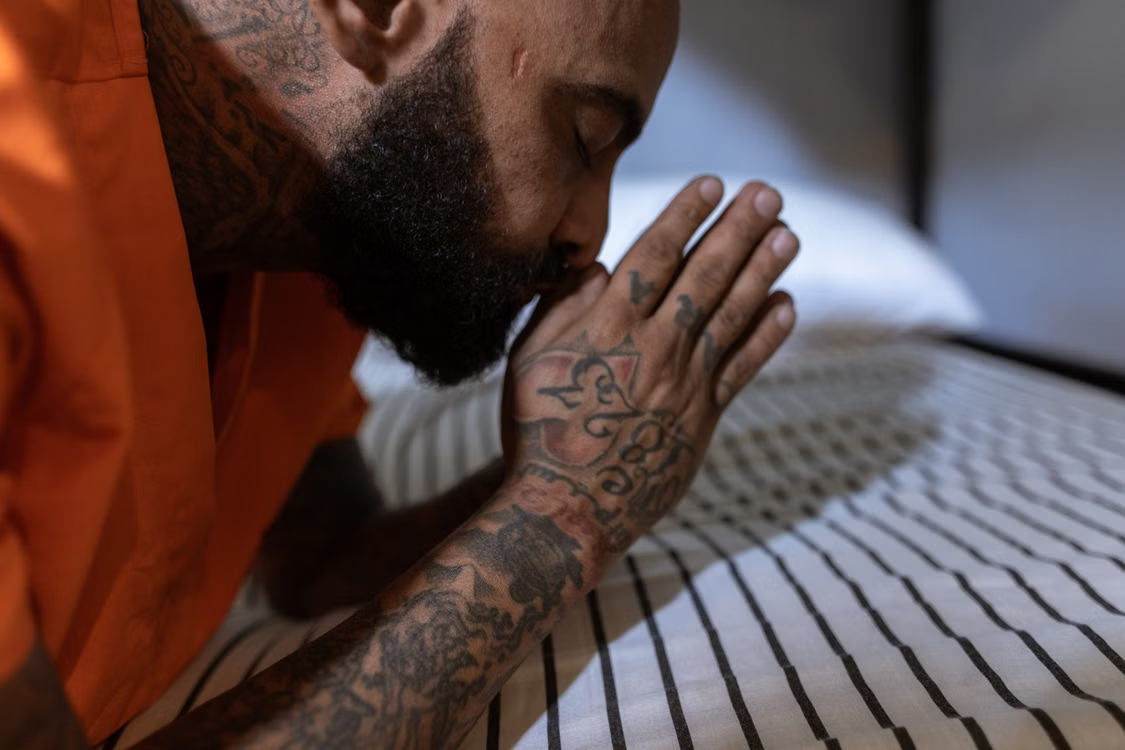
Today, many young people are still in the process of shaping choices that will influence their future. When a youth is involved in harmful behavior or enters the justice system, they can receive a response that can have a lasting impact on their direction in life. This is where juvenile rehabilitation plays an important role in long-term youth development. Rehabilitation does not focus on punishment; rather, it emphasizes guidance, accountability, education, and support to help young people build a better path ahead in their lives.
Here is a more detailed look at the importance of juvenile rehabilitation.
Juvenile Rehabilitation: Focus on Education and Build Skills
Access to education, emotional support, and life skills is necessary for long-term development. It is often seen that people who are struggling behaviorally also face academic setbacks, lack of mentorship, or limited access to positive opportunities. A strong juvenile rehabilitation approach can address these gaps by offering tools that support future success. With the help of programs like tutoring, counseling, conflict resolution, communication skills, and goal setting, rehabilitation can make a major difference in creating a stronger future for youth. This way, youth can develop the foundation needed for adulthood, employment, healthier relationships, and greater self-confidence. Overall, these resources do more than just correct short-term behavior.
Youth Development
Another main reason for the importance of rehabilitation is that adolescents are not yet fully mature, as they think. They are not mature enough to respond to pressure or make decisions. Many young people act impulsively or fail to fully understand the consequences of their actions. It doesn’t mean that it is an excuse for harmful behavior; however, it clearly shows that a growth-focused response is often far better than one that focuses only on discipline. If young people are given structure and support, they can learn from mistakes and make better decisions. Ultimately, through rehabilitation, a chance for change can be created that should not be ignored.
Encourage Accountability
True accountability understands what went wrong, why it happened, and how to avoid repeating those same choices in the future rather than being only about facing consequences. Through rehabilitation programs, youth can reflect on their actions while also learning practical ways to respond differently in challenging situations. This balanced approach encourages personal responsibility without treating a mistake as the final definition of a young person’s identity. It clearly defines that poor choices have consequences, but growth and improvement are still possible.
Reduces Repeat Problems
To reduce the risks of repeated harmful behavior, it is essential to deliver meaningful guidance to youth after their serious mistakes. Rehabilitation aims to minimize that risk. Rehabilitation helps young people understand patterns, build better habits, and connect with healthy influences. This not only benefits individuals but also the schools, families, and communities as well. If a young person is supported in changing direction, they are more likely to become a more productive, engaged member of society. That helps strengthen communities over time and create better outcomes for everyone involved.