





Kids Swimming Lessons Cranbourne: Your Complete Guide to Safe, Confident Water Skills
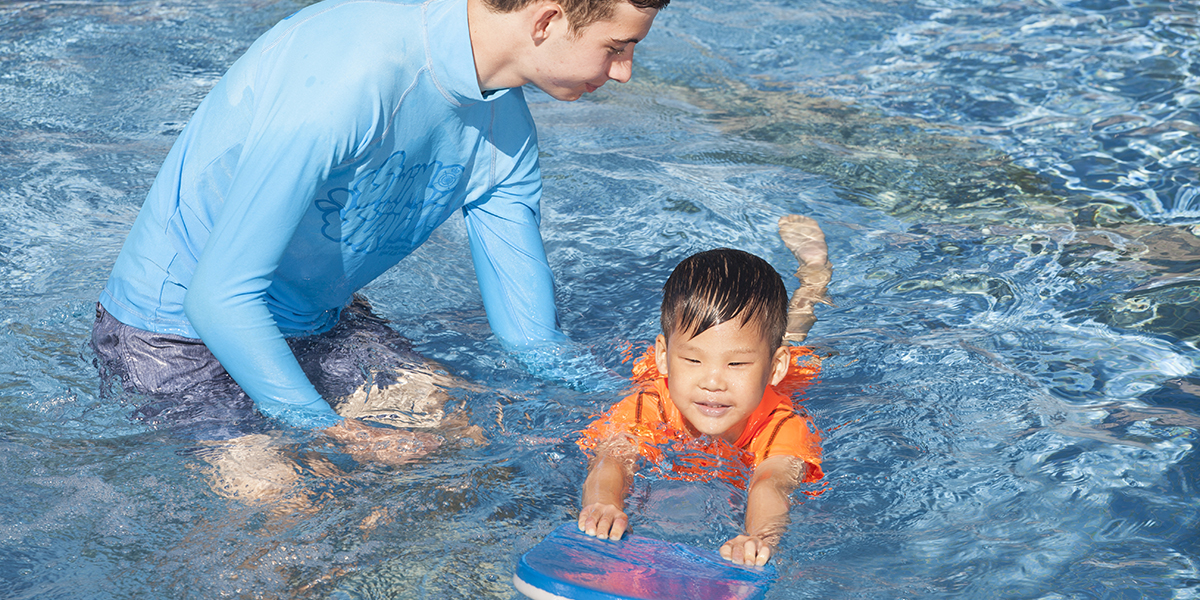
Imagine this: it’s a warm Cranbourne afternoon, the kind where kids are running barefoot across lawns and the smell of sausages drifts from backyard barbecues. Now picture your child near the pool—laughing, splashing, maybe a little too close to the edge. In that moment, what matters most isn’t whether they can swim a perfect freestyle lap, but whether they know how to float, call for help, and get themselves to safety. That’s the heart of kids swimming lessons Cranbourne: not medals or competition, but life-saving confidence.
I’ve seen it firsthand. A neighbour’s six-year-old slipped into the water last summer, and instead of panic, he remembered his training—float, breathe, turn to the wall. It was a quiet triumph, the kind that makes you realize swimming isn’t just another extracurricular. It’s a skill every Australian child deserves. And in Cranbourne, where backyard pools and summer beach trips are part of the lifestyle, it’s almost non-negotiable.
| Program Type | Age Range | Focus | Class Size | Best For |
| Parent-and-Child Classes | 6 months – 3 years | Water familiarization, bonding, basic safety behaviours | 6–8 pairs with instructor | Families introducing babies/toddlers to water in a playful, safe way |
| Learn-to-Swim Programs | 3 – 12 years | Survival skills, stroke development, water confidence | 4–6 students per instructor | Children building foundational swimming and safety skills |
| Private Lessons | Any age | Customized instruction, accelerated progress | 1:1 | Kids with specific challenges, goals, or anxiety needing extra support |
| Group Lessons | 3+ years | Peer learning, social confidence, structured progression | 4–8 students per instructor | Families seeking balanced skill development and social interaction |
| Survival-Focused Intensive Programs | 2+ years | Rapid self-rescue skills, floating, clothed swimming | Varies | Short-term boost in safety skills, supplementing year-round lessons |
Why Swimming Lessons Matter More Than You Think
Did you know drowning is still one of the leading causes of accidental death for children under five in Australia? According to Royal Life Saving Australia, formal swimming lessons can reduce the risk of drowning by up to 88% for children aged 1–4. That’s not just a statistic—it’s real peace of mind for parents.
While splashing around at home can help children feel comfortable in the water, it doesn’t teach essential life-saving skills like survival floating, breath control, or how to respond to the shock of unexpectedly falling into deep water fully clothed. These are skills taught through structured, age-appropriate programs like those at Star Swim Schools, where safety, confidence, and real-world water survival are the priority from the very beginning.
Key Benefits of Swimming for Kids
1. Water Safety Skills
- Essential survival skills: Floating, treading water, reaching the surface, and swimming to safety.
- Lessons dramatically reduce drowning risks—studies show up to 88% lower risk among children aged 1–4.
- Builds calm responses in emergencies, teaching kids not to panic.
2. Physical Development
- Full-body workout: Swimming engages nearly all major muscle groups.
- Improves strength, flexibility, and cardiovascular fitness while being gentle on joints.
- Enhances posture and coordination, especially important for kids spending more time on screens.
3. Mental Health & Emotional Resilience
- Stress relief: The rhythmic movement and water immersion calm anxiety.
- Teaches persistence—kids learn to overcome fear and celebrate small milestones.
- Builds self-efficacy, giving children confidence that transfers to school and other activities.
4. Social Confidence
- Group lessons encourage teamwork, peer learning, and friendships.
- Kids gain independence by mastering skills without parental assistance.
- Boosts self-esteem through shared achievements.
5. Lifestyle & Recreation
- Family bonding: Swimming opens doors to beach trips, pool parties, and water parks.
- Makes holidays and outdoor activities safer and more enjoyable.
- Encourages lifelong healthy habits—swimming is a skill that stays useful into adulthood.
Comparison Table: Benefits at a Glance
| Benefit Area | How Swimming Helps | Long-Term Impact |
| Water Safety | Teaches floating, treading, survival skills | Reduced drowning risk, calm in emergencies |
| Physical Health | Builds strength, stamina, flexibility | Better posture, fitness, reduced injury risk |
| Mental Wellbeing | Reduces stress, builds resilience | Stronger emotional regulation, confidence |
| Social Skills | Peer learning, teamwork, independence | Improved self-esteem, friendships |
| Lifestyle | Enables family water activities | Lifelong recreation, healthier lifestyle |
Choosing the Right Program in Cranbourne
Here’s where many parents get stuck: When should I start? Which school is best? Will my child be too scared? I get it—it’s overwhelming. But think of it like choosing a school. You want qualified teachers, small class sizes, and a curriculum that builds skills step by step.
- Instructor qualifications: Look for Austswim or ASCTA-certified teachers.
- Class ratios: For beginners, 4–6 kids per instructor is ideal.
- Facilities: Heated pools (31–33°C) make a huge difference for little learners.
- Curriculum progression: Programs like Stars Swim Schools focus first on survival—floating, treading water, side breathing—before moving into strokes.
I always recommend visiting a school before enrolling. Watch how instructors handle nervous kids. Do they push too hard, or do they patiently encourage? The vibe matters as much as the technique.
Beyond Safety: The Hidden Benefits
Here’s the part parents often don’t expect. Swimming lessons don’t just keep kids safe—they shape them in ways you’ll notice outside the pool.
- Physical development: Swimming builds strength, flexibility, and coordination. The British Journal of Sports Medicine even highlights its unique ability to boost cardiovascular fitness while being gentle on joints.
- Emotional resilience: Kids learn to manage fear, celebrate small wins, and persist through challenges. As child development expert Dr. Robyn Jorgensen explains, aquatic activities let children experience “appropriate risk in a controlled environment,” building real self-efficacy.
- Social confidence: Group lessons mean new friends, teamwork, and independence. For many kids, it’s their first structured learning outside family settings.
- Family lifestyle: Imagine beach holidays without constant worry, or pool parties where your child joins in instead of clinging to the edge. Swimming opens doors to joyful, shared experiences.
Local Advantage: Why Cranbourne Families Benefit
Cranbourne isn’t just another suburb—it’s a community where water is part of daily life. With beaches nearby, backyard pools aplenty, and hot summers that practically demand water play, swimming skills aren’t optional. Schools like Stars Swim Schools tailor programs to local families, offering flexible schedules, sibling discounts, and culturally sensitive instruction.
Laurie Lawrence, Australia’s legendary Olympic coach, put it perfectly: “Swimming lessons aren’t about producing the next champion. They’re about producing the next generation of water-safe Australians.”
Frequently Asked Questions (FAQ)
1- When should my child start swimming lessons in Cranbourne?
You can begin parent-and-child classes as early as six months. These aren’t about teaching babies to swim laps, but about gentle water familiarization and building comfort. Formal lessons usually start around age three, when kids have the coordination and focus to follow instructions. And if your child is older? Don’t worry—it’s never too late. In fact, older beginners often progress quickly because they understand directions better and have stronger bodies.
2- How long does it take for a child to learn to swim?
Think of swimming as a journey, not a finish line. Most children pick up basic safety skills—like floating, treading water, and swimming 10–15 meters—within 12–18 months of weekly lessons. Stroke proficiency (like smooth freestyle or backstroke) usually takes 2–3 years of consistent practice. Every child’s pace is different, and that’s perfectly normal.
3- What should my child bring to swimming lessons?
Keep it simple:
- A snug swimsuit (one-piece for girls, fitted shorts or briefs for boys)
- Goggles (once they’re comfortable putting their face in the water)
- A towel and toiletries for after class
Swim nappies for little ones if needed
- Skip floaties unless the instructor specifically requests them—they can create false confidence and interfere with proper technique.
4- Are heated pools necessary for kids’ swimming lessons?
Yes, especially for younger children. Warm water (30–33°C) helps muscles stay relaxed and keeps the experience positive. Cold pools can make kids tense up and associate swimming with discomfort. Most quality schools in Cranbourne, like Stars Swim Schools, maintain optimal temperatures year-round.
5- What if my child is afraid of water?
Fear is common, and it’s nothing to be ashamed of. The key is patience. Share your child’s concerns with the instructor before lessons begin. Experienced teachers use gentle, step-by-step strategies to build confidence without pressure. Progress may be slower, but forcing participation usually backfires. The goal is steady, positive experiences.
6- Should siblings take lessons together or separately?
It depends. Close-in-age siblings often motivate each other and enjoy learning side by side. But if one child is much more confident—or if sibling rivalry kicks in—separate classes might be better. Many swim schools Cranbourne offer flexible grouping, so you can adjust if the first arrangement doesn’t work out.
Your Next Step
So, when should you start? Honestly—whenever you’re ready. Babies as young as six months can join parent-and-child classes, while older kids often progress quickly thanks to better coordination. The key isn’t age—it’s consistency. Weekly lessons, year-round, build lasting skills far better than short holiday intensives.
If your child is nervous, that’s okay. Experienced instructors know how to gently build confidence without pressure. And if you’re wondering whether siblings should learn together, try it—you’ll quickly see if it motivates or distracts them.
At the end of the day, swimming lessons are an investment in safety, confidence, and family freedom. The decision you make today could be the one that saves your child’s life tomorrow.
Would you like me to craft a step-by-step checklist for Cranbourne parents—from first lesson prep to long-term progress tracking—or dive deeper into local swim school comparisons so you can see which program fits your family best?
Key Takeaway
Swimming lessons in Cranbourne aren’t just about strokes and splashes—they’re about giving your child the skills to stay safe, feel confident, and embrace a lifetime of water fun. The right program, taught by qualified instructors in supportive environments, can transform nervous beginners into resilient, water‑safe kids. Consistency matters more than speed, and every child’s journey is unique.
Think of lessons as an investment: in safety, in health, in family freedom. Whether it’s floating calmly in an emergency, joining friends at the pool without fear, or enjoying summer holidays by the beach, the benefits ripple far beyond the water. The decision you make today could be the one that saves your child’s life tomorrow—and opens the door to joyful experiences for years to come.